Amazon-Ready Photography vs Brand-Driven Visuals: How to Know What You Actually Need

Updated: Jun 7
Let’s clear something up first.
Amazon-ready photography and brand-driven visuals are not the same thing. They’re not “two styles.” They’re two different jobs. Most confusion around product photography starts when brands expect one type of imagery to quietly solve both. It usually doesn’t.
✨What Amazon-ready photography is actually for
Amazon-ready product photography works best when the task is clear and functional. You need:
Clean, compliant images
Consistency across SKUs
Speed and predictability
Visuals that simply do the job
White backgrounds. Clear angles, no extra production for the sake of it. That’s not “basic.” That’s efficient. For Amazon listings, e-commerce platforms, and large catalogs, this approach is often exactly what’s needed.

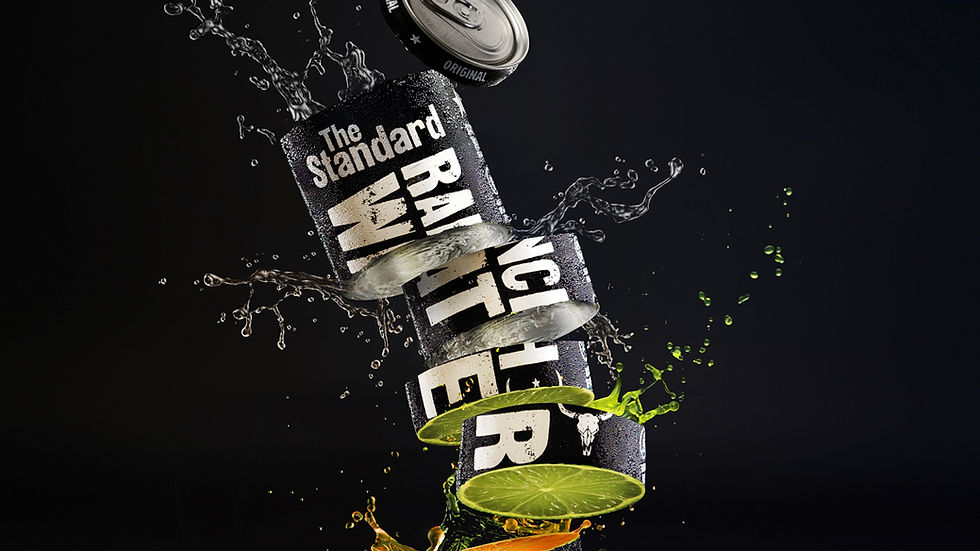
When brand-driven visuals enter the picture
Brand-driven visuals solve a different problem.
👉They make sense when:
Images will be reused across marketing channels
Perception matters as much as clarity
Differentiation is part of the strategy
Visuals are meant to communicate more than specifications
Here, photography isn’t just showing the product. It’s shaping how the product is perceived.
👉That usually means:
More planning
More decisions
More people involved
Not because it’s “fancier,” but because the task itself is broader.
🧭Where things get messy
Problems usually appear when brands try to use one type of photography to solve two very different tasks.
They expect Amazon-ready images to:
Carry brand emotion
Support campaigns
Differentiate the product
Or they use brand-driven visuals where:
Speed matters more than storytelling
Clarity matters more than mood
The result isn’t bad photography. It’s just the wrong tool for the job. Like using a studio portrait as a passport photo — impressive, but slightly missing the point.
🧩A real-life example
My husband and I were renewing our driver’s licenses. And yes — when your wife is a photographer, the obvious idea is: “Let’s go to your studio and do it properly.” I said no. We went to a Walgreens down the street. Five minutes later, we had perfectly good driver’s license photos — compliant, clear, and exactly what the task required.
Could we have gone to the studio? Of course.
That would have meant:
Setting up lights
Dialing in the look
Shooting multiple takes of the same very basic pose
Selecting images
Sending them to retouching
All for a photo that’s meant to live on a driver’s license — the one that proves I’m allowed to buy alcohol, and yes, those are my under-eye bags. This is the official version.
It wouldn’t have been better. It would have been a misuse of resources. Walgreens did an excellent job — because it was the right solution for that task. Product photography works the same way.
🎯😌A simple way to choose the right approach

Before deciding on a format, ask yourself:
Where will these images live?
How long will we use them?
Who needs to understand the product from these visuals?
What happens if these images don’t work?
If the answer sounds like:
“We need them clear, fast, and compliant”
Amazon-ready photography is usually enough.
If it sounds more like:
“These visuals represent us everywhere”
Brand-driven visuals start to make sense.
⚠️You don’t have to choose just one
This is the part many brands overlook. Most established companies use both:
Amazon-ready photography for listings and e-commerce
Brand-driven visuals for campaigns, websites, and launches
The mistake isn’t mixing formats. The mistake is not being clear about which problem you’re solving.
Final thought
Good product photography isn’t about doing more. It’s about doing what fits the task. When that’s clear:
Decisions get easier
Budgets make more sense
And no one asks for “something more creative” five minutes before launch
Keep Exploring
If you’d like to keep reading, here are a few related guides:
💸 Pricing & Process: Everything You Need to Know Before a Shoot 📖 How We Tell the Story Behind Your Brand
FAQ: Common Questions About Amazon-Ready Photography vs Brand-Driven Visuals
How do I know which type of photography my business actually needs right now?
Start with the task, not the aesthetic. If your priority is speed, compliance, and consistency across listings, Amazon-ready photography is usually enough. If your visuals need to represent the brand across marketing, campaigns, and multiple channels, brand-driven visuals make more sense.
Can one photoshoot realistically serve both Amazon and branding needs?
Sometimes — but only when the scope is clearly defined upfront. Most problems happen when one type of photography is expected to quietly solve two very different business tasks.
Where do most product shoots go wrong from a business perspective?
Not in lighting or creativity — but in decision-making. When it’s unclear who approves, what the images are meant to solve, or where they’ll be used, timelines stretch and budgets lose predictability.
What’s the most cost-effective way to approach product photography long-term?
Think in systems, not one-off shoots. Brands that plan photography around launches, catalogs, and reuse across channels tend to save time, reduce reshoots, and make budgeting more predictable.


Comments